ADVANCED LASER TATTOO REMOVAL
aftercare: heal right. fade better.
What happens between sessions matters as much as the laser. Here’s what’s normal, how to care for your skin, and when to call us.
Why Does Aftercare Matter?
The laser breaks up the ink. Your body clears it. Aftercare keeps your skin healthy in between. Good aftercare lowers the risk of infection, scarring, and pigment changes, and gets your skin ready for your next session.
follow instructions
You'll get a printed copy of these instructions and a walkthrough from your specialist after every treatment.
how do i care for my skin after treatment?
8 Aftercare Rules
keep it clean
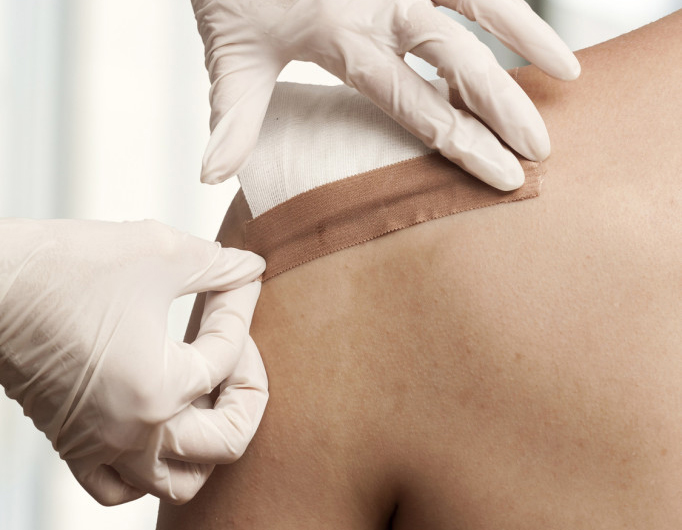
Wash gently with mild soap and water, then pat dry. Don't rub. For the first 3 days, apply a thin layer of healing ointment (like Aquaphor or petroleum jelly) up to 3 times a day and keep the area covered with a sterile, non-stick bandage.
Leave Blisters Alone
Blisters are normal, and well-cared-for blisters heal cleanly. Don't pop them or peel the skin. If a blister gets large or uncomfortable, call your Rethink location and we'll walk you through it.
Cool It Down
For the first few hours, a cool compress or ice wrapped in a thin cloth eases the sunburn feeling and reduces swelling. Never put ice directly on bare skin.
Hands Off Your Scabs
Picking or scratching raises the risk of infection, scarring, and permanent pigment changes. Let scabs fall off on their own, and don't shave over the area until it's fully healed.
Shower, Don't Soak
Showering is fine. Just keep high-pressure spray off the treated area. Skip baths, hot tubs, pools, lakes, and the ocean until all blistering and scabbing have fully healed.
Ease Into Workouts
Light to moderate exercise is usually fine. If the tattoo sits over a major muscle group, skip intense workouts for 24 to 48 hours. Working the muscle underneath can add bruising.
Protect It From the Sun
Once healed, wear broad-spectrum SPF 30+ daily between sessions. Sun on healing skin can cause pigment changes, slow healing, and delay your next treatment.
Calm the Itch
Itching happens as the laser dries out the skin. Aquaphor, vitamin E ointment, or over-the-counter hydrocortisone cream can help. If itching or swelling lasts more than a week, contact us.
What's Normal After Laser Tattoo Removal?
Laser tattoo removal creates a controlled reaction in the skin. These responses are expected and don’t mean anything went wrong.
FROSTING
A temporary white film or frosted appearance may develop immediately after treatment. This typically fades within 15–30 minutes as the skin settles.
REDNESS & SWELLING
Much like a sunburn, redness, warmth, and swelling may occur after treatment and typically improve as the skin recovers. These effects usually settle in a few hours to a few days.
BLISTERING
Blisters may appear 8 to 72 hours after treatment as part of the normal healing process. Avoid picking at or intentionally popping them, and follow the aftercare instructions provided by your Rethink specialist.
SCABBING
Crusting or scabbing may develop as the treated skin heals. Avoid picking at the area and allow it to heal naturally. Scabbing typically resolves within 1–2 weeks, although healing time can vary.
LIGHTER OR PINK SKIN
Newly healed skin may temporarily appear pinker or lighter at first. Changes in skin color can occur after laser tattoo removal and typically evens out over time.
ITCHING
Itching may occur as the treated skin heals. Avoid scratching or picking at the area, which can interfere with healing and irritate the skin.
HOW LONG DOES LASER TATTOO REMOVAL TAKE TO HEAL?
Primary healing usually takes about 4 weeks. Fading keeps going long after that as your immune system clears the broken-up ink. Everyone heals a little differently depending on skin type, tattoo size, placement, and overall health.
day 1
Frosting, redness, warmth, and swelling. Feels like a sunburn. Cool compresses help.
days 1-3
Blisters may form. Keep the area clean, covered, and moisturized.
days 3-7
Blisters flatten and dry. Scabs may form. Keep applying ointment and bandaging.
days 7-14
Scabs lift on their own. Don’t pick. Itching is common.
weeks 2-4
Skin may look pink or lighter. Primary healing is typically complete.
weeks 4-12+
Ink keeps fading. Your specialist checks progress at your next visit.
Frequently ASKED QUESTIONS
What should I put on my tattoo after laser tattoo removal?
For the first 3 days, apply a thin layer of healing ointment like Aquaphor or petroleum jelly up to 3 times a day and keep the area covered with a sterile, non-stick bandage. Skip makeup, lotions, and creams for the first 48 hours unless your specialist recommends them.
Is it normal to blister after laser tattoo removal?
Yes. Blisters can form 8 to 72 hours after treatment and are a normal part of healing. Leave them alone, keep them clean and covered, and call your Rethink location if one becomes large or uncomfortable.
How long does laser tattoo removal take to heal?
Primary healing usually takes about 4 weeks. Redness fades within a day or two, blisters and scabs typically clear within 2 weeks, and the ink keeps fading for weeks after that as your body clears it.
Can I shower after laser tattoo removal?
Yes, as long as you keep high-pressure water off the treated area. Avoid baths, hot tubs, pools, and lakes until all blistering and scabbing have healed.
Can I work out after laser tattoo removal?
Light to moderate exercise is usually fine. If the tattoo sits over a major muscle group, wait 24 to 48 hours before intense workouts, since working the muscle can add bruising.
Can I go in the sun after laser tattoo removal?
Keep the area covered while it heals, then wear a broad-spectrum SPF 30 or higher on it every day between sessions. Sun exposure can cause pigment changes and may delay your next treatment.
Removing Ink. Restoring Confidence.
Start with a free consultation to have your tattoo evaluated, discuss your goals, and get a personalized treatment plan.