
Understanding Tattoo Removal: How It Works And What Influences Success
Tattoos sit in the dermis, the layer of skin under the epidermis. Removal works by targeting ink particles and allowing your immune system to clear them. With laser tattoo removal, high-energy pulses break pigment into smaller fragments that macrophages carry away. Other methods physically remove or abrade ink.
Several factors influence how well a tattoo fades: ink color (blacks and dark blues respond best: greens, yellows, and some pastels are hardest), ink depth and quality, the age of the tattoo (older usually fades more easily), your skin tone, and your immune health. Size and location matter too, tattoos on limbs often need more sessions than those on the trunk because of differences in circulation.
Realistic expectations are essential: many tattoos require multiple sessions and may not disappear completely: some leave faint ghosting or slight scarring.
Laser Tattoo Removal: Methods, Session Estimates, And Suitability
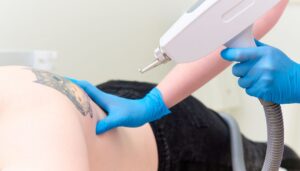
Laser tattoo removal is the industry standard because it targets pigment specifically while sparing surrounding tissue. There are two main types: Q-switched lasers and newer picosecond lasers. Q-switched devices deliver intense nanosecond pulses and have been effective for decades: picosecond lasers use even shorter bursts that often break ink into smaller particles more efficiently, improving clearance for stubborn colors.
How many sessions will you need? Expect anywhere from 4 to 12 treatments on average. Dark, simple tattoos on lighter skin may clear in fewer sessions: large, multicolored, or professionally applied tattoos can take many more. Sessions are spaced 6–12 weeks apart to let your immune system remove fragmented pigment and your skin heal.
Suitability depends on tattoo characteristics and your skin tone. Picosecond lasers can improve outcomes for certain colors and reduce total sessions, but no laser guarantees 100% removal. People with darker skin tones need careful parameter tuning to minimize pigment changes or scarring. A consultation with a clinic experienced in treating your skin type and tattoo colors is the first step.
What To Expect During Laser Sessions: Pain, Preparation, And Results Timeline
During a laser session you’ll feel repeated sharp snaps, many compare it to rubber-band snaps or hot BBQ coals on the skin. Pain tolerance varies: some people handle it with topical anesthetic while others opt for nerve-blocks for large areas. Clinics commonly use numbing creams applied 30–60 minutes before treatment, and some offer cooling devices or chilled air to reduce discomfort during the session.
Preparation is straightforward: avoid sun exposure for several weeks, stop tanning, and avoid certain medications or topical products your provider flags. On the day, wear comfortable clothing that gives easy access to the tattoo and arrive with a clean, lotion-free area.
You’ll see immediate changes, whitening or frosting of the treated area, which usually resolves in minutes to hours. Over the following 2–12 weeks the treated pigment fades gradually as your body clears fragments: repeat sessions follow once healing is sufficient. Total timeline from first session to final results can range from several months to over a year depending on the factors discussed earlier.
Aftercare And Pain Management After Laser Treatment
After a session the skin is essentially a controlled injury and needs careful care. Expect redness, swelling, blistering, and scabbing in the first week. Keep the area clean and dry: your provider will usually recommend a gentle cleanser, a non-scented healing ointment, and a loose dressing for 24–48 hours. Avoid picking scabs, doing so raises the risk of scarring and pigment retention.
Pain is typically manageable with over-the-counter acetaminophen or ibuprofen unless your provider prescribes something stronger. Ice packs wrapped in a towel can reduce swelling immediately after treatment. Sun protection is critical, keep treated skin covered and use SPF 30+ once healed to prevent pigment changes.
Watch for signs of infection (increasing pain, spreading redness, pus) and contact your provider promptly if they appear. Long-term care includes moisturizing and avoiding aggressive exfoliation: some clinics also recommend topical lightening agents if hypopigmentation persists. Proper aftercare improves cosmetic outcomes and lowers complication risks.
Alternative Removal Methods: Excision, Dermabrasion, And Chemical Techniques
If laser isn’t suitable or you want immediate removal, surgical excision removes the tattooed skin entirely. It’s most practical for small tattoos, your surgeon cuts out the inked area and closes the wound. Excision produces a linear scar proportionate to the tattoo size: it’s fast but not subtle, and larger tattoos may require staged procedures.
Dermabrasion sands away the upper dermis to remove pigment. It can work on some tattoos but carries higher risks of scarring and pigment changes compared with modern lasers. Recovery can be longer and more uncomfortable: outcomes are less predictable.
Various chemical techniques (like acid-based solutions) historically were used but are generally discouraged today because they damage deeper tissue and often leave irregular scars or persistent pigment. Tattoo fading creams and non-ablative topical products have limited efficacy: they may lighten a tattoo slightly but won’t remove it.
Choosing an alternative often comes down to tattoo size, location, and your tolerance for scarring. Discuss candidacy, risks, and realistic outcomes with a dermatologist or plastic surgeon if you’re considering excision or dermabrasion.
How To Choose A Qualified Provider
Selecting the right clinic affects safety and results. Look for board-certified dermatologists or plastic surgeons experienced in tattoo removal, or certified laser specialists working under medical supervision. Verify credentials, ask how many treatments they’ve performed, and whether they treat your skin type and tattoo colors regularly.
During consultation, expect the provider to review your medical history, evaluate the tattoo, explain laser type options (Q-switched vs. picosecond), outline session estimates, costs, and possible complications. Beware of clinics promising complete removal in a fixed, low number of sessions, experience and honesty are signs of a trustworthy practitioner.
Request before-and-after photos of actual patients with similar tattoos, not just glossy marketing images. Ask about the clinic’s protocols for pain control, aftercare instructions, and management of complications. Price matters, but don’t choose solely on cost, cheap treatments may use outdated equipment or insufficient training, increasing risk of scarring or poor results. Finally, check reviews and confirm the facility follows safety standards for laser use and infection control.
Deciding to remove a tattoo is personal and requires balancing expectations, cost, time, and risk. Laser tattoo removal (especially with picosecond technology) is the most effective and widely used option, but it takes multiple sessions and careful aftercare. For small tattoos, excision can offer immediate removal with a predictable scar: other methods have higher complication rates.
Before you act, consult an experienced provider, get realistic estimates, and plan for the recovery and cost. If you want the best chance of a clean result with minimal complications, prioritize a clinic with proven experience in laser tattoo removal and clear communication about outcomes.
Get Clear Answers From Rethink Laser Tattoo Removal
Starting tattoo removal feels easier when the process actually makes sense from the beginning. Rethink Laser Tattoo Removal helps clients understand how laser removal works, what to expect, and how treatment is tailored to the tattoo itself. Book a consultation today and get a clearer, more confident start to the process.
Frequently ASKED QUESTIONS
How do you remove a tattoo using laser treatment?
Laser tattoo removal breaks down ink particles with high-energy pulses, allowing your immune system to clear them gradually. Multiple sessions spaced 6–12 weeks apart are typically needed, and outcomes depend on tattoo color, age, size, location, and skin type.
What factors affect the success of tattoo removal?
Success depends on ink color (black and dark blue fade best), tattoo age, ink quality, skin tone, size, and location. Older tattoos generally fade easier, and tattoos on limbs may require more sessions due to circulation differences.
What can I expect during and after laser tattoo removal sessions?
During sessions, you’ll feel sharp snaps like rubber-band snaps. Pain can be managed with numbing creams or cooling devices. After treatment, redness, swelling, blistering, and scabbing are common, and proper aftercare including sun protection is essential for healing and minimizing complications.
Are there tattoo removal methods other than laser treatment?
Yes, alternatives include surgical excision, which cuts out the tattooed skin but leaves a scar; dermabrasion, which sands the skin but has higher risks; and chemical techniques, which are generally discouraged due to tissue damage and scarring.
How do I choose a qualified provider for tattoo removal?
Select board-certified dermatologists, plastic surgeons, or certified laser specialists with experience in your skin type and tattoo colors. Verify credentials, ask about treatment history, review before-and-after photos, and ensure the clinic meets safety and infection control standards.
Can laser tattoo removal completely erase all tattoos?
While laser removal is effective, no method guarantees 100% tattoo removal. Some tattoos may leave faint ghosting or slight scarring even after multiple sessions. Realistic expectations and multiple treatments improve results.