How Laser Tattoo Removal Works: The Science In Plain Language
Lasers remove tattoos by breaking the ink into smaller particles the body can clear. Unlike surgical cutting, the laser targets the pigment with very short bursts of high-energy light. Different wavelengths are absorbed by different ink colors, which lets clinicians selectively target pigments while minimizing damage to surrounding skin.
Types Of Lasers And How They Target Ink
Q-switched and picosecond lasers are the most common. Q-switched lasers deliver energy in nanoseconds and have been the standard for years: picosecond lasers emit even shorter pulses and often clear ink faster with fewer sessions for certain colors. Each laser has specific wavelengths, for example, a 1064 nm wavelength treats black and dark blue well, while 532 nm targets reds and oranges. A skilled practitioner will match wavelength to ink color and skin tone.
How The Body Clears Fragmented Ink Particles
When the laser fragments ink, the immune system’s macrophages (a type of white blood cell) engulf and remove the tiny particles over weeks to months. Some pigment is carried to lymph nodes and eliminated: some remains and may require additional treatments. Because clearance is biological, results depend on your immune function and the particle size produced by the laser.
Typical Treatment Course And Session Timing
Most tattoos need multiple sessions spaced 6–12 weeks apart to allow healing and immune clearance. Small, simple black tattoos can sometimes be significantly faded in 3–6 sessions, while colored or older tattoos might need 8–12 or more. Each session’s effectiveness decreases as remaining ink becomes harder to break down, so expect diminishing returns and realistic timelines.
Common Safety Risks And Side Effects — What’s Normal Versus Concerning
Laser tattoo removal is generally safe when performed by trained professionals, but it’s not risk-free. Many side effects are expected and transient: others require prompt attention.
Short-Term Side Effects: Pain, Redness, Blistering, And Scabbing
Expect pain during and just after treatment, often described as a rubber-band snap or hot pinprick. Immediately afterward you’ll commonly see redness, swelling, and a whitish “frosting” where the laser hit the pigment. Blisters and scabs can form over treated areas: these are part of normal healing. Proper wound care (gentle cleansing, barrier ointment, and avoiding picking) prevents infection and improves cosmetic outcomes.
Long-Term Risks: Scarring, Hypo/Hyperpigmentation, And Texture Changes
Long-term issues include scarring and pigment changes. Hypopigmentation (lightening) or hyperpigmentation (darkening) can occur when melanocytes are affected. Darker skin types have a higher risk of pigment changes. Scarring is uncommon with modern lasers but can happen from overly aggressive treatment, poor aftercare, or secondary infection.
Rare But Serious Complications To Watch For
Rare complications include persistent infection, allergic reactions (sometimes to pigment fragments released into the body), and keloid formation in those predisposed. Systemic effects are extremely rare, but if you develop fever, spreading redness, severe swelling, or unusual lymph node enlargement, contact your provider immediately.
Factors That Affect Safety And Success Rates
Not everyone has the same chance of a clean, complication-free removal. Several variables influence both safety and how quickly the tattoo fades.
Tattoo Characteristics: Color, Age, Depth, And Ink Type
Black ink is easiest to remove because it absorbs many wavelengths. Colored inks vary: reds, yellows, and greens can be stubborn and may need specific lasers. Professional tattoos are typically placed deeper and with denser ink than amateur tattoos, making them harder to remove. Older tattoos often fade more easily because they’ve already broken down somewhat.
Skin Type, Medical History, And Medications
Fitzpatrick skin type matters: darker skin tones are more prone to pigment changes, so practitioners must choose wavelengths and settings carefully. Medical conditions, like autoimmune disorders, diabetes, or impaired wound healing, can increase risks. Certain medications (e.g., isotretinoin) affect healing: you should disclose all meds and health history during screening.
Practitioner Skill, Clinic Standards, And Device Quality
Your provider’s training, experience, and the clinic’s hygiene protocols strongly affect safety. Well-calibrated devices used by credentialed operators reduce the chance of burns or ineffective treatments. Ask about the make/model of lasers used, the clinician’s training, and whether the clinic follows medical-grade infection-control standards.
How To Prepare For Laser Tattoo Removal To Minimize Risk
Preparation reduces complications and improves outcomes. A good pre-treatment routine starts at the consultation and continues in the weeks before your first session.
Pre-Treatment Evaluation: Questions A Credible Provider Should Ask
A reputable clinician will ask about your medical history, prior reactions to tattoos, medication use (especially blood thinners or photosensitizing agents), history of keloids, and recent sun exposure. They should inspect the tattoo and skin and discuss realistic outcomes, possible side effects, and the number of expected sessions.
Lifestyle And Skin Prep Tips (Sun Exposure, Topicals, Smoking)
Avoid sun and tanning for at least 4 weeks prior, tanned skin increases the risk of pigment changes and burns. Stop topical light-sensitizing agents and follow instructions about blood-thinning supplements (like fish oil or aspirin) if advised. Smoking delays healing, so consider quitting or reducing tobacco use before and during the course for better results.
Informed Consent, Patch Testing, And Setting Realistic Expectations
You should receive informed consent documents that outline risks and expected results. Many clinics perform a test patch on a small area to observe how your skin reacts, this is especially important for darker skin types or colored inks. Ask for before-and-after photos of similar tattoos and be wary of guarantees: honest providers set realistic expectations rather than promising complete removal.
What To Expect During And After A Treatment Session
Knowing the typical procedure and recovery steps helps you plan and respond correctly if issues arise.
Pain Management, Procedure Steps, And Typical Session Length
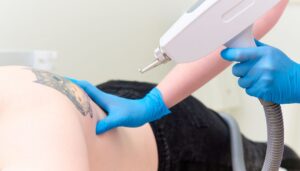
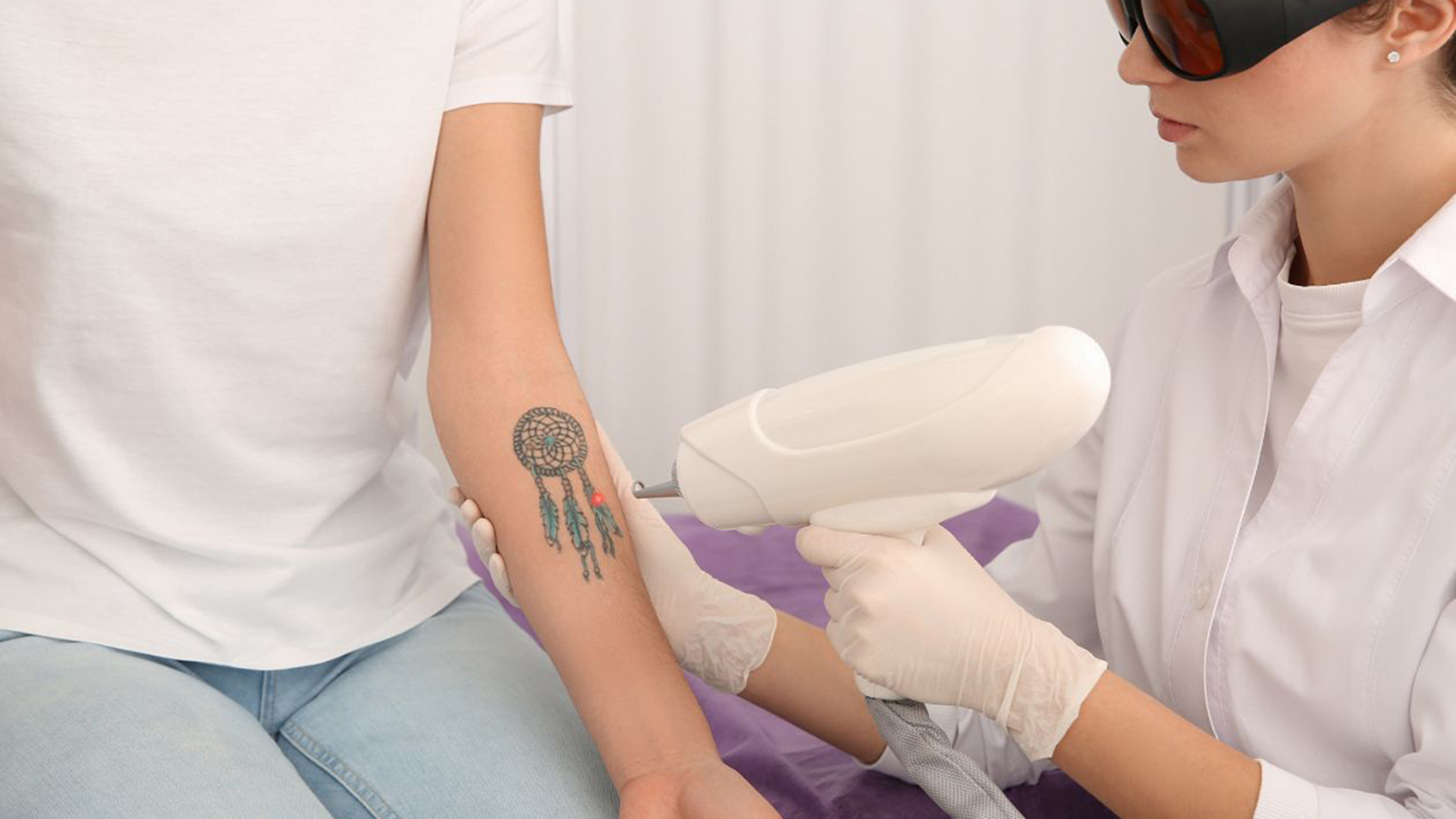
Sessions usually last 10–30 minutes for small-to-medium tattoos: larger pieces take longer. Pain control options include topical anesthetic creams applied beforehand, local nerve blocks in some practices, or cooling devices during treatment. Providers will clean the area, position the laser, give eye protection, and deliver pulses until the target area shows the expected response (often whitening).
Post-Procedure Care: Wound Care, Infection Prevention, And Healing Timeline
After treatment, keep the area clean and covered per your clinician’s instructions, typically a short period of gentle cleansing and application of a sterile ointment or dressing. Expect crusting and peeling for 1–2 weeks: avoid soaking, hot tubs, and vigorous exercise that promotes sweating while open wounds heal. Most superficial healing happens in 7–14 days, but pigment clearance continues for weeks.
When To Contact Your Provider: Warning Signs And Follow-Up Schedule
Contact your provider if you see heavy drainage of pus, increasing redness spreading beyond the treatment zone, fever, severe pain not controlled by prescribed measures, or signs of allergic reaction (widespread rash, difficulty breathing). Routine follow-ups are commonly scheduled every 6–12 weeks to assess progress and plan the next session.
Alternatives To Laser Removal And When They Make Sense
Laser isn’t the only option. Depending on the tattoo and your goals, surgical or abrasive methods may be appropriate.
Surgical Excision, Dermabrasion, And Tattoo Lightening For Cover-Ups
Surgical excision removes the tattoo entirely in one procedure but is best for small tattoos because it leaves a surgical scar. Dermabrasion sands the skin to remove pigment-bearing layers, results vary and the technique has a higher risk of texture changes. Tattoo lightening (partial removal) can be used to fade a design enough so a cover-up tattoo will take more cleanly.
Pros, Cons, And Safety Tradeoffs Of Non-Laser Options
Excision gives immediate removal but produces a scar and requires local anesthesia and recovery time. Dermabrasion is less precise, can be painful, and carries higher infection and pigment-change risks. Lightening for cover-ups is a practical compromise when you want a new design rather than full removal. Discuss tradeoffs candidly with your provider, what’s cosmetically acceptable to you may determine the safest route.
So, is laser tattoo removal safe? Mostly yes, when you choose a qualified provider, follow preparation and aftercare advice, and set realistic expectations. Understand your tattoo’s specifics, your skin type, and any medical conditions that could affect healing. Expect temporary side effects like redness and blistering, but also be aware of less common long-term risks such as pigment changes or scarring.
If safety is your priority, start with a detailed consultation, request a patch test, and prioritize clinics that emphasize hygiene, proper device selection, and transparent communication. With the right approach, laser removal is a controlled, effective way to reclaim your skin.
Get Clear Safety Answers at Rethink Laser Tattoo Removal
The best way to feel more confident about treatment is to understand the process, the questions to ask, and what safe care should look like. Rethink Laser Tattoo Removal helps clients make informed decisions with clear guidance and personalized treatment planning. Reach out today and get the answers needed before moving forward.
Frequently ASKED QUESTIONS
Is laser tattoo removal safe for all skin types?
Laser tattoo removal is generally safe for most skin types, but darker skin tones have a higher risk of pigment changes. Skilled practitioners adjust laser wavelengths and settings to minimize risks and ensure safe treatment for various skin tones.proper care.
What are the common side effects of laser tattoo removal?
Common side effects include pain during treatment, redness, swelling, blistering, and scabbing. These reactions are normal and usually resolve with proper aftercare like gentle cleansing and avoiding picking at the treated area.
How should I prepare for a laser tattoo removal session to ensure safety?
To minimize risks, avoid sun exposure and tanning for at least 4 weeks before treatment, stop photosensitizing topicals, disclose all medications and medical history during your consultation, and follow your provider’s pre-treatment instructions strictly.
Can laser tattoo removal cause scarring or long-term skin changes?
Though uncommon with modern lasers, scarring, hypopigmentation, or hyperpigmentation can occur, especially if treatments are aggressive or aftercare is poor. Choosing a qualified provider and following aftercare guidelines reduce these risks significantly.
How effective is laser tattoo removal for different tattoo colors?
Black ink tends to respond best due to its absorption of many laser wavelengths. Colored inks like red, yellow, and green are more challenging and may require specific lasers or more sessions for effective removal.
What should I do if I experience severe side effects after laser tattoo removal?
Seek immediate medical attention if you notice heavy pus drainage, spreading redness, severe pain, fever, or symptoms of allergic reaction such as rash or difficulty breathing. Early intervention helps prevent serious complications.